Food Inflation and Your Grocery Budget
How rising food prices impact household spending. We break down which categories are driving inflation and what it means for your wallet.
Read ArticleBehind the numbers. Understand the methodology that economists use to track price changes across Malaysia’s diverse economy and what gets included in CPI calculations.

The Consumer Price Index—or CPI—sounds like something only economists care about. But it’s actually the metric that explains why your grocery bill keeps climbing and your salary doesn’t stretch as far. It’s the official measure of inflation in Malaysia, and it’s calculated every single month.
Here’s the thing: CPI isn’t some abstract number pulled from thin air. It’s built on real data collected from real households. Economists survey thousands of people about what they actually buy, then they track those prices over time. The result? A number that tells you whether things are getting more expensive or (rarely) cheaper.
At the heart of CPI calculation is something called the “basket of goods.” It’s not an actual basket—it’s a weighted collection of items that represent what Malaysian households actually spend money on. We’re talking about food, transportation, housing, utilities, healthcare, education, and entertainment.
But here’s where it gets interesting. Not all items in the basket get equal weight. If most families spend more on food than on entertainment, then food price changes have a bigger impact on your CPI number. The basket isn’t arbitrary either. It’s built from household expenditure surveys where economists ask thousands of families what they’re actually purchasing. That’s the data foundation.
Key insight: The basket gets updated regularly because spending patterns change. What people bought 10 years ago isn’t what they buy today, so the weightings shift to reflect current reality.
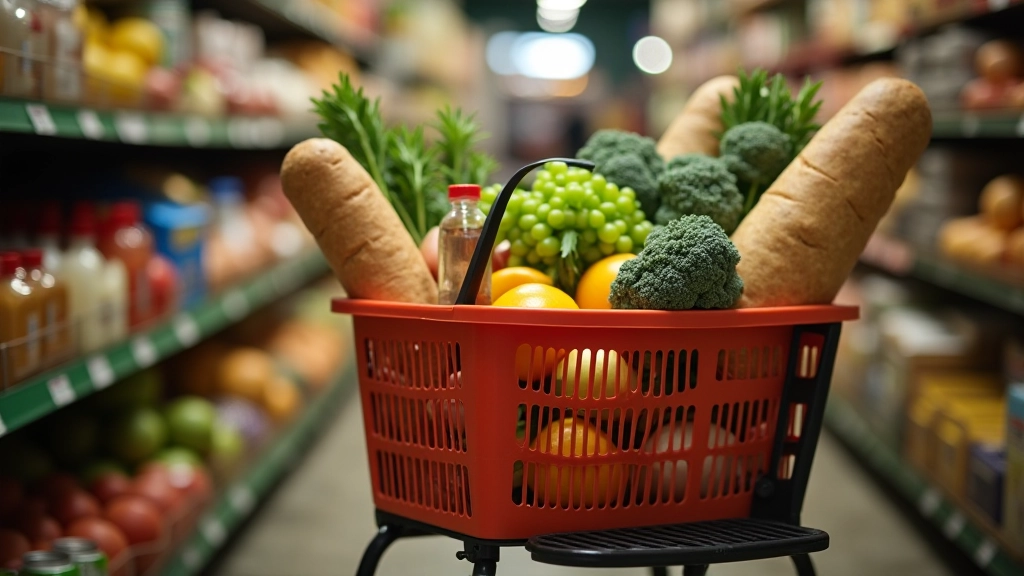
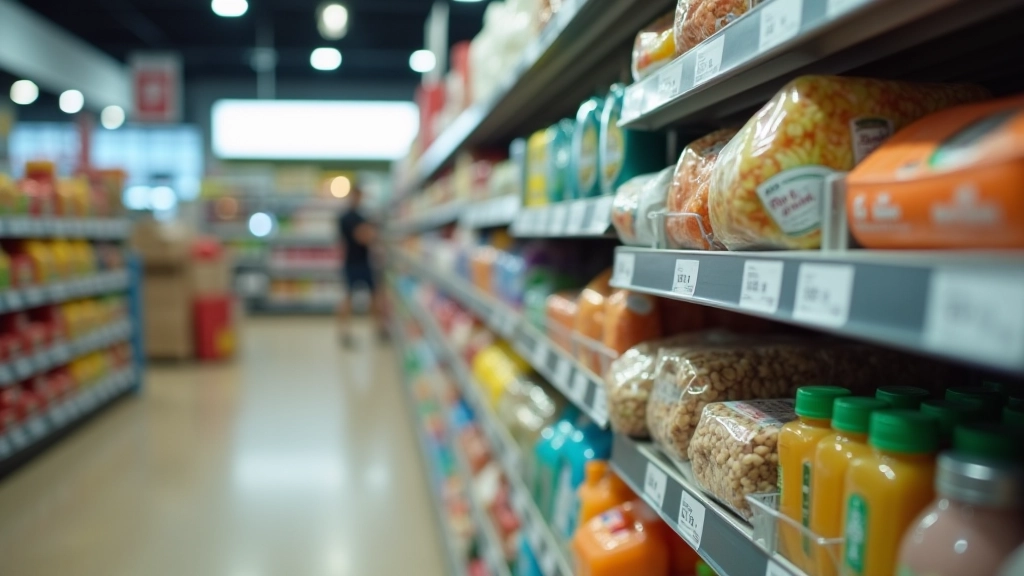
Price collection is the unglamorous but essential part of CPI measurement. Every month, trained enumerators visit hundreds of retail outlets across Malaysia. They’re recording the prices of specific items—not just “milk” but “one liter of fresh milk” at specific stores. They document prices for identical products at different locations to capture regional variation.
This isn’t done online. Enumerators walk into supermarkets, wet markets, petrol stations, and pharmacies with clipboards. They photograph price tags, record exact product specifications, and note any changes. Why so detailed? Because quality matters. If a product changes slightly, the price change might not be inflation—it might be a quality improvement. The data collectors account for that.
The frequency matters too. Major items get tracked every month. Some categories are checked quarterly. This creates a continuous flow of data that feeds into monthly CPI calculations. It’s labour-intensive, but it’s how you get real numbers from real markets.
Once the price data comes in, economists don’t just average everything together. They apply the weights from the household expenditure survey. So if food makes up 35% of household spending, food price changes get weighted at 35%. Transportation might be 15%, housing 20%, and so on. The calculation combines all these weighted changes into a single index number.
The index itself is usually set to 100 in a base year. Let’s say 2015 is your base year, set to 100. If CPI is now 120, that means prices have risen 20% since 2015. This makes comparisons straightforward—you’re not dealing with thousands of data points, just one number that captures overall price movement.
Enumerators gather prices from retail outlets nationwide
Weight each price change based on spending patterns
Combine weighted changes into the monthly CPI number
The basket of goods doesn’t include everything. It’s focused on what regular households spend money on. Here’s what gets tracked:
Largest category for most households. Includes rice, vegetables, meat, milk, oils, spices, and prepared meals. Changes here have the biggest impact on inflation.
Petrol prices, public transport fares, vehicle maintenance, and vehicle purchase costs. Oil price fluctuations directly affect this segment.
Rent or mortgage payments, electricity, water, and gas. Significant weight in the basket, especially for urban families.
Medical services, medicines, toiletries, and personal care products. Tracks affordability of healthcare access.
School fees, books, and educational supplies. Reflects changes in education costs across income levels.
Cinema tickets, sports, hobbies, and leisure activities. Smaller weight but still captures lifestyle cost changes.
CPI sounds straightforward in theory. But there are real complications that economists grapple with constantly. Quality changes are a big one. If a smartphone becomes cheaper but also gets fewer features, is that actually cheaper? The price went down, but the quality changed. Economists make adjustments for this, but it’s not an exact science.
Another challenge is the basket itself. It’s based on historical spending patterns from household surveys. But consumer behaviour changes faster than surveys can capture. When the pandemic hit, people suddenly spent differently—less on transportation, more on home entertainment. The basket wasn’t designed for that shift, so early CPI readings didn’t fully capture what families were actually experiencing.
There’s also the issue of regional differences. A kilogram of chicken costs different amounts in Kuala Lumpur versus Kelantan. The CPI tries to capture this through separate price collection in different regions, but it’s still an average. Your personal inflation might be very different from the national CPI number.

Understanding CPI methodology matters because these numbers shape real policy decisions. Central banks use CPI to set interest rates. Governments use it to adjust social welfare payments. Employers use it to justify salary increases—or explain why they can’t offer them.
When you see headlines saying “inflation is at 2.4%,” you’re reading the result of thousands of price observations, carefully weighted according to how people actually spend money. It’s not perfect—no measurement system is. But it’s built on real data and real methodology, not guesswork.
The next time you hear about CPI, you’ll know exactly how it’s constructed. You’ll understand that the numbers come from enumerators walking into shops, recording prices. You’ll know why food price changes hit CPI harder than entertainment price changes. And you’ll appreciate why economists are always refining the methodology—because getting inflation right matters for everyone’s financial life.
Ready to explore how inflation affects different income groups?
Read: Household Expenditure Across Income GroupsThis article provides educational information about CPI measurement methodology in Malaysia. The information is intended for informational purposes only and reflects general economic principles. CPI calculations and methodologies may vary by country and can change over time as statistical agencies refine their approaches. For the most current and official CPI data and detailed methodological information, consult the Department of Statistics Malaysia or relevant government economic agencies. This content should not be considered financial or investment advice.