

CPI Malaysia Logo CPI Malaysia Contact Us
Contact Us

Food Inflation and Your Grocery Budget

How rising food prices impact household spending. We break down which categories have seen the biggest increases and why it matters to your wallet.

7 min read Beginner March 2026
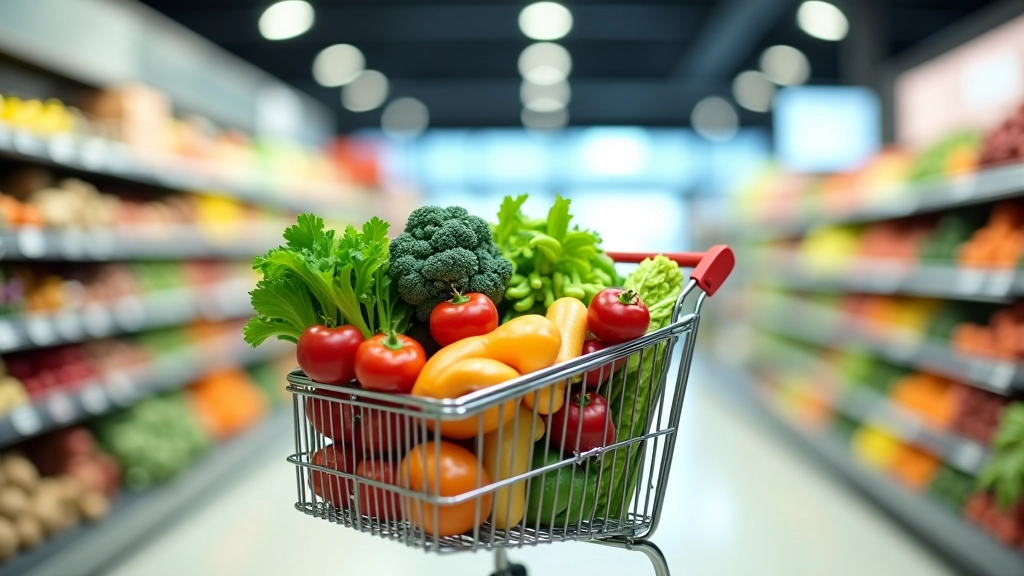
Grocery shopping cart filled with fresh produce and packaged items in supermarket

If you’ve noticed your grocery receipts getting thicker lately, you’re not imagining it. Food prices have climbed steadily over the past few years, and it’s reshaping how families budget for meals. The average household in Malaysia is spending more on essentials like rice, vegetables, and protein — sometimes 15-20% more than they did two years ago.

What’s happening? It’s a combination of global supply chain disruptions, local production challenges, and currency fluctuations. But understanding these forces helps you make smarter shopping decisions. We’ve broken down the real numbers and what they mean for your wallet.

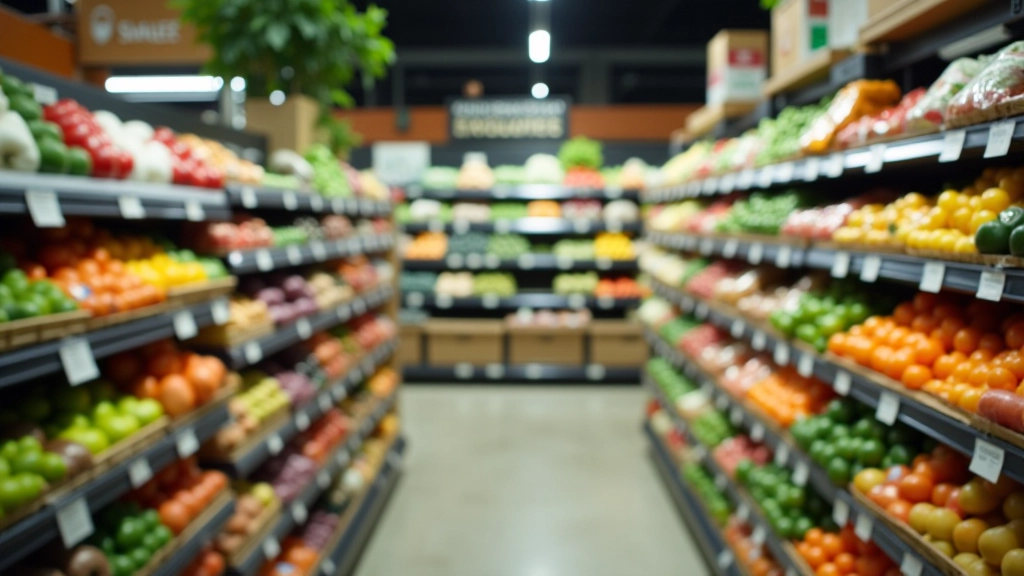
Close-up view of grocery store shelves with various food items and price labels visible

Which Food Categories Are Hit Hardest?

The inflation doesn’t hit everything equally. Some categories have seen dramatic price jumps while others remain relatively stable. Oils and fats have surged the most — averaging increases of 25-30% in the past 18 months. That’s because palm oil prices are volatile, and Malaysia depends heavily on global markets for these products.

Proteins tell a different story. Fresh chicken and eggs have risen 12-18%, while beef and seafood are up around 10%. It’s a slower climb, but it adds up when you’re buying these items weekly. Vegetables and fruits? They’re more stable at 8-12% increases, though seasonal variations mean some weeks are worse than others.

Key insight: Rice and staple grains have seen modest increases (6-8%) because of government price controls and subsidies. This is deliberate policy to protect household food security.

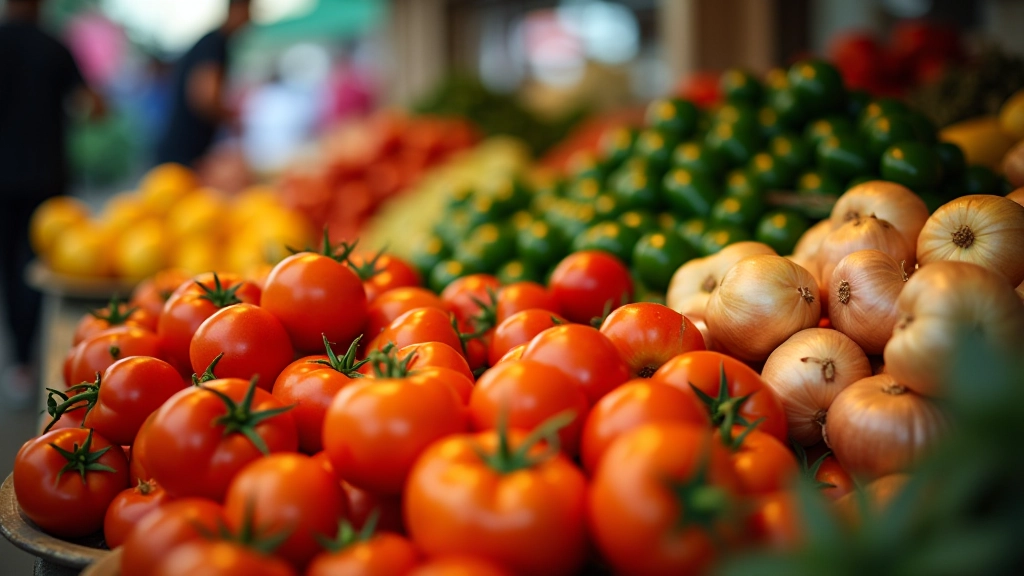
Colorful array of fresh vegetables including tomatoes, peppers, leafy greens arranged at market stall
Woman reviewing household budget and expense tracking on notebook with calculator and receipts

Rethinking Your Grocery Strategy

Here’s the honest truth — you can’t eliminate food inflation. But you can be smarter about how you spend. Many households have shifted their shopping patterns. They’re buying more bulk items from wholesalers, choosing seasonal produce, and being more intentional about protein choices.

Some families are reducing food waste more aggressively. That’s not just about saving money — it’s about stretching your budget further. When you’re paying 20% more for groceries, wasting even one bag of vegetables hurts. Planning meals before shopping, using what you have, and freezing surplus produce has become standard practice for budget-conscious households.

And yes, shopping at different stores makes a real difference. Prices vary by 10-15% between outlets for the same items. It’s worth checking multiple sources, especially for staples you buy regularly.

What Does This Mean for Your Household?

Real Impact on Budgets

A family spending RM 1,500 monthly on groceries is now paying RM 1,650-1,800 for the same items. That’s RM 200-300 extra every month — RM 2,400-3,600 per year.

Shopping Behavior Changes

People are buying less, shopping more frequently, and being selective about premium products. Store brands are outselling name brands as families prioritize value.

Long-Term Adjustments

Some households are growing their own vegetables, buying from local farmers, or joining buying cooperatives to reduce costs and build food security.

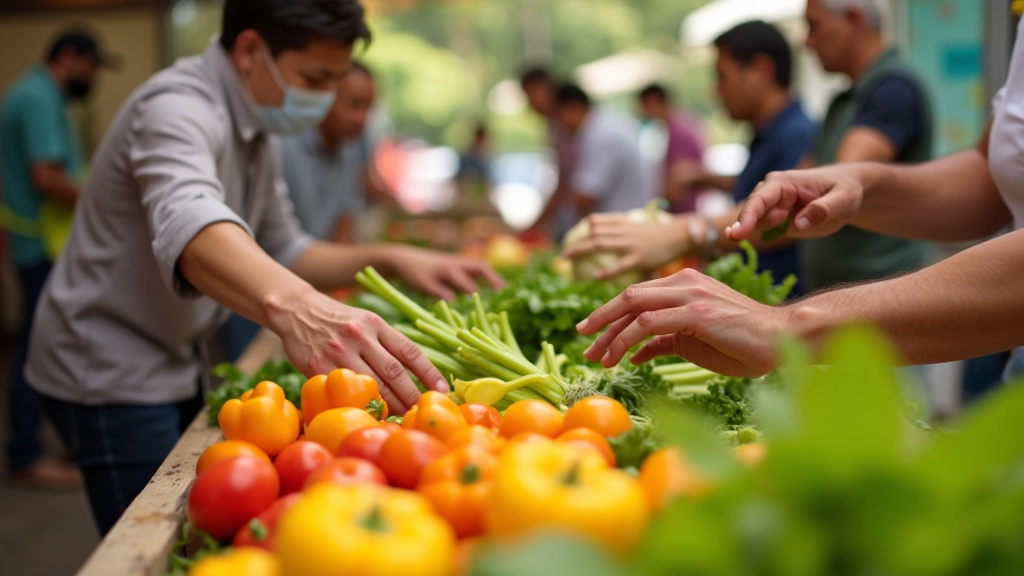
Diverse group of people shopping together at farmers market selecting fresh produce

Understanding the Broader Picture

Food inflation doesn’t exist in isolation. It’s part of Malaysia’s Consumer Price Index (CPI), which measures overall inflation across the economy. Food typically accounts for 30-35% of the CPI basket, making it one of the most visible and felt aspects of inflation for ordinary households.

When CPI rises, it affects everything from government policy decisions to how financial institutions set interest rates. It’s why economists watch food prices so closely — they’re an early indicator of broader economic trends. And for households? It’s about real purchasing power. Your money simply doesn’t stretch as far when food prices climb faster than wages.

“Food inflation is the most immediate and tangible inflation that people experience. Unlike other price increases, you notice it every time you shop.”

— Economic analyst perspective

Economist or analyst reviewing economic data charts and statistics on computer screen

Moving Forward

Food inflation isn’t temporary — it’s likely here to stay in some form. But that doesn’t mean you’re powerless. Understanding what’s driving prices, tracking which categories matter most to your household, and adjusting your shopping habits puts you back in control.

Start small. Track what you’re spending on groceries for one month. Identify where the biggest increases are hitting your budget. Then experiment: try different stores, adjust your protein choices, plan meals more deliberately. These small changes add up to real savings.

And remember — food security matters. While saving money is important, so is maintaining good nutrition for your family. It’s not about cutting everything; it’s about being intentional with your choices.

Want to understand how food inflation affects the broader CPI? Explore our other resources on cost of living trends and household expenditure patterns.

Learn About CPI Measurement

Disclaimer

This article is for informational purposes only and reflects general observations about food price trends in Malaysia. The specific price increases mentioned are illustrative based on market data patterns and may vary by region, retailer, and time period. Individual household circumstances differ significantly. For detailed personal financial planning or investment decisions, consult with a qualified financial advisor. Government price controls, subsidies, and policies change regularly and may affect actual prices you experience.